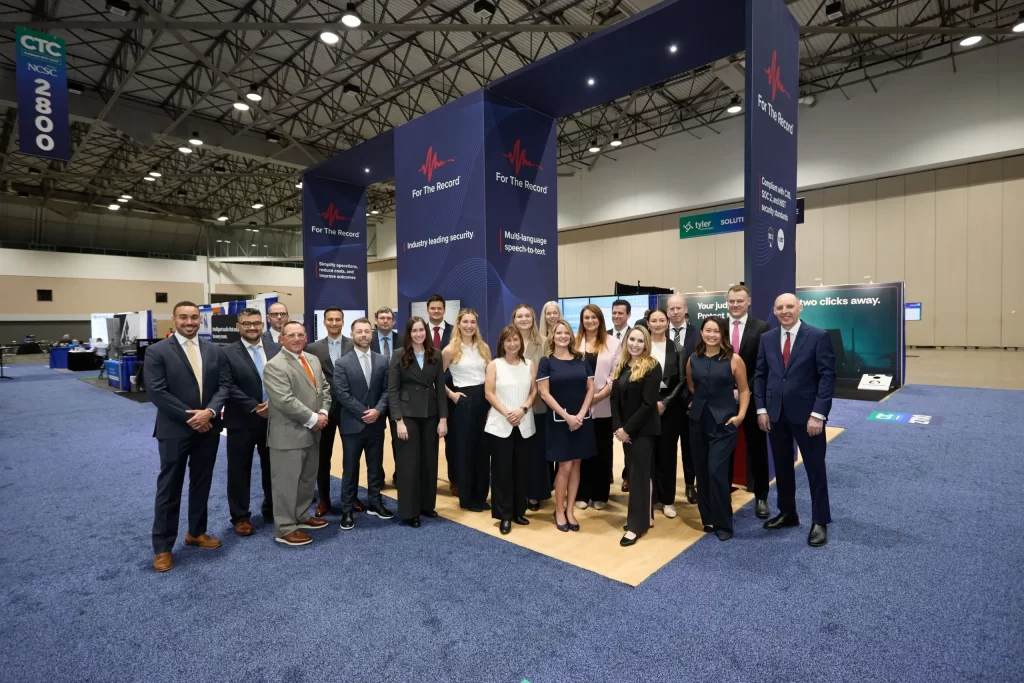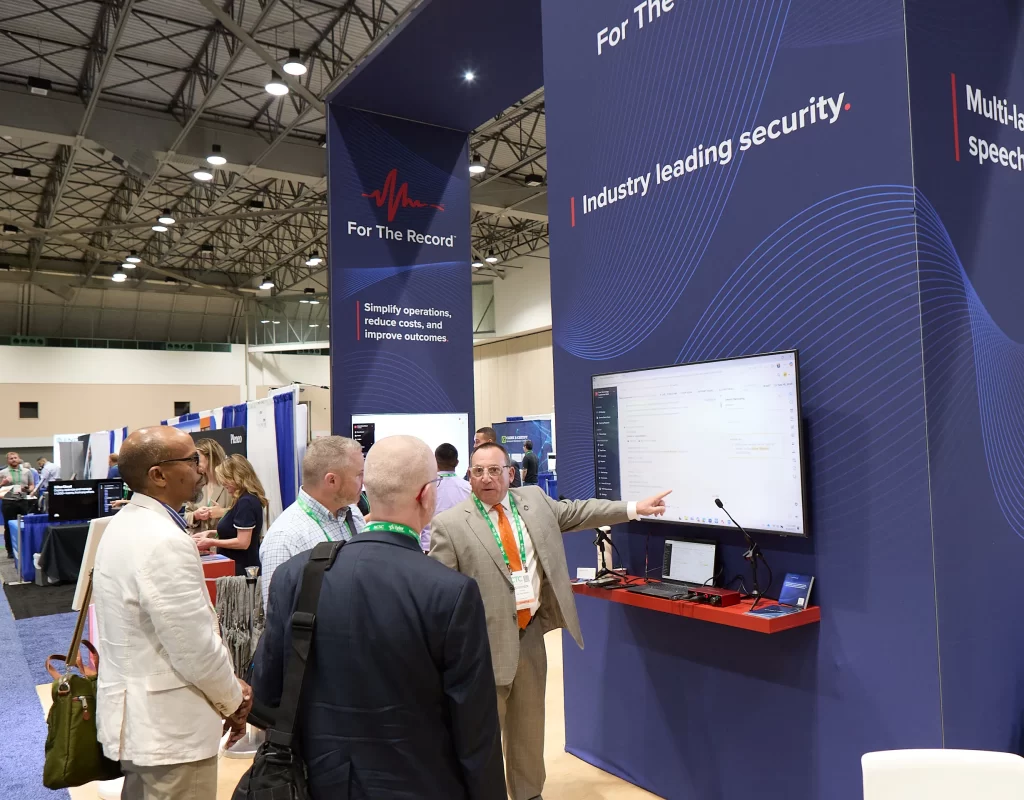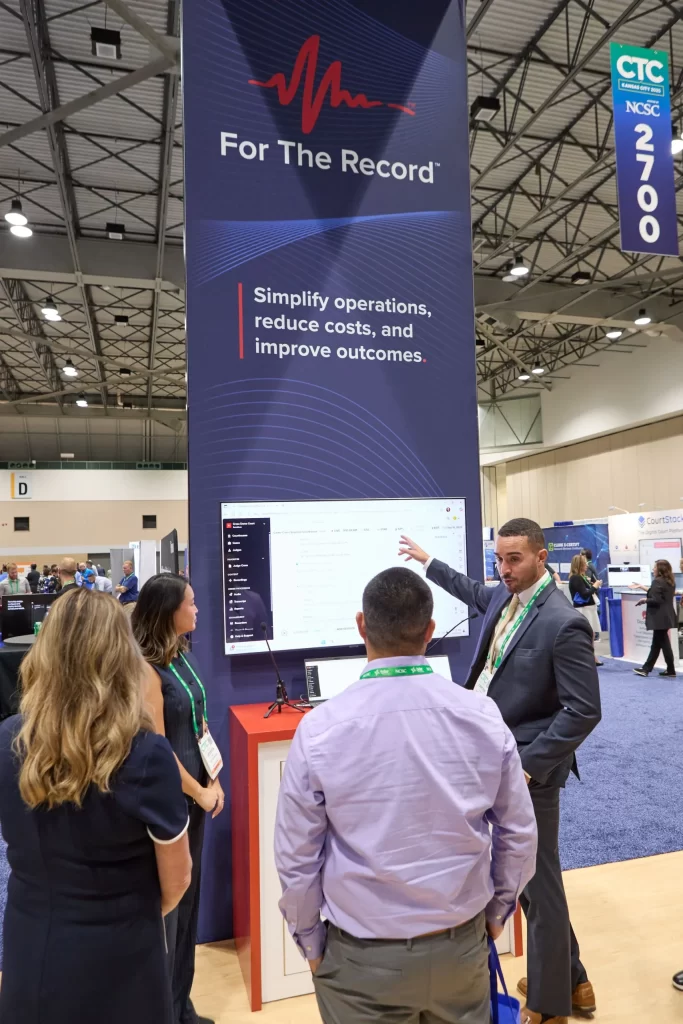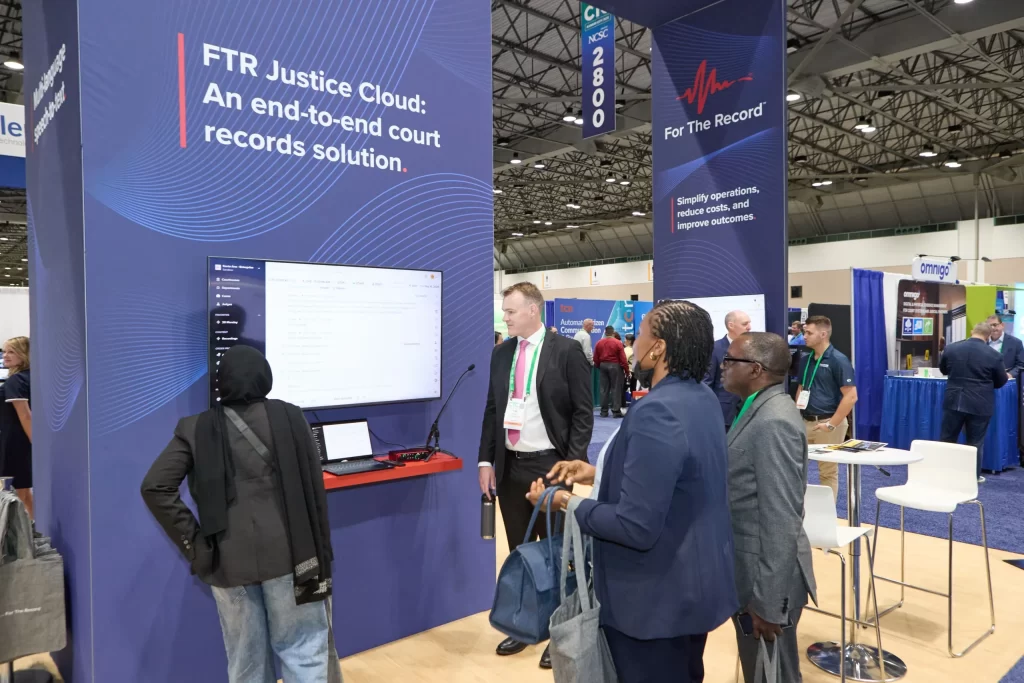


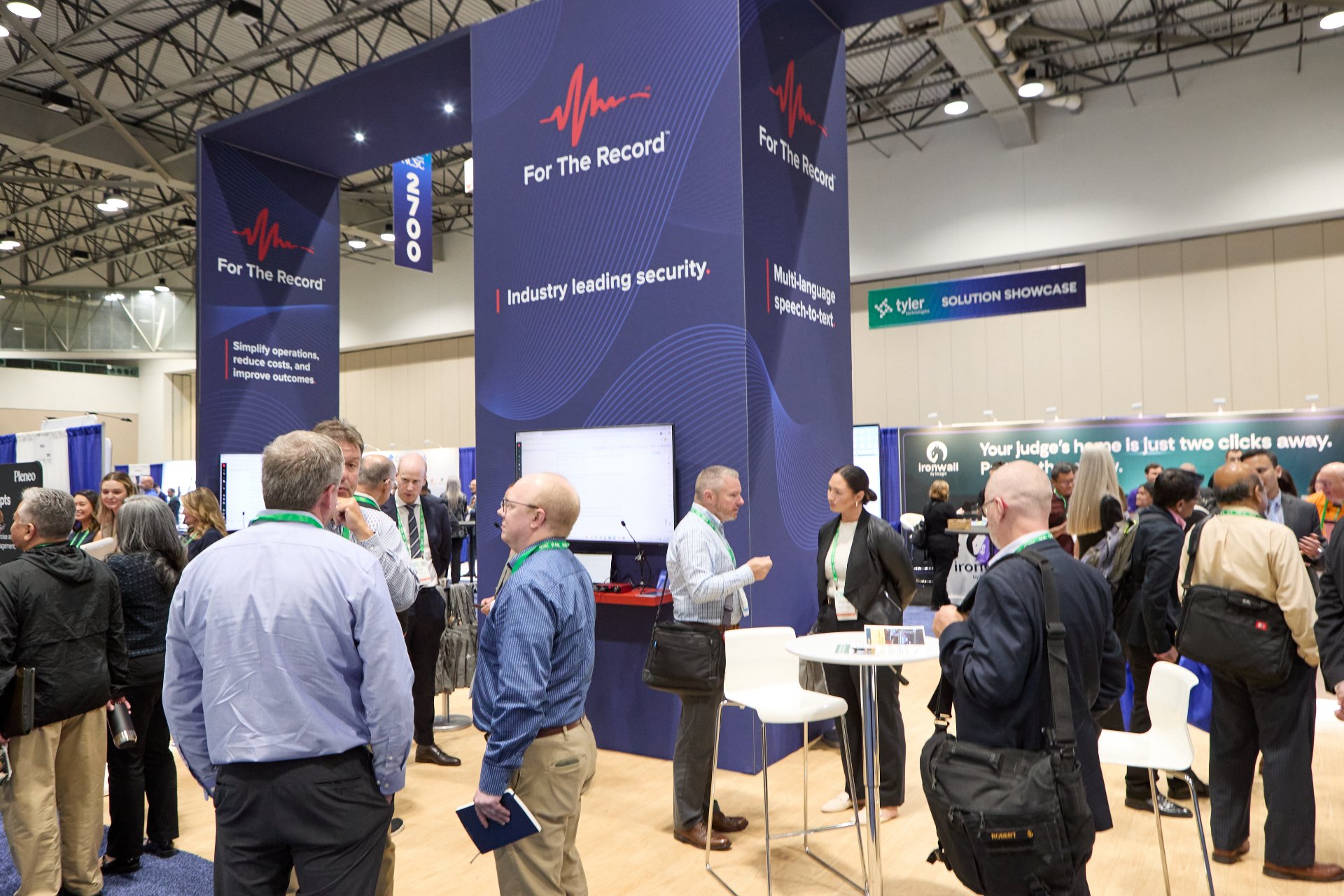
CTC 2025 underscored what we’ve long known: technology is no longer an add-on to justice—it’s foundational to how courts serve their communities.
Educational sessions covered the full spectrum of today’s challenges and opportunities: from AI’s promise and risks, to cybersecurity and data integrity, to cloud-first strategies and accelerating access to justice. Sessions also highlighted the importance of strong vendor partnerships and governance, emphasizing accountability, smooth system integration, and technology that can evolve with the courts’ needs. Practical, hands-on workshops gave attendees the chance to test emerging tools firsthand—turning ideas into working solutions they can take back to their courts.
The keynote address by Tarah Wheeler brought these themes into sharp focus. She explored how AI can strengthen courts when used wisely: automating document review and redaction, screening filings for completeness, detecting scheduling conflicts, and improving transcription services. Each of these applications can reduce administrative burdens, enhance accuracy, and give court staff more time to focus on higher-value work—ultimately expanding access for the public.
At the same time, Tarah cautioned against using AI in areas that require human judgment, such as judicial decision-making. She warned that bias in training data can amplify inequities and that deepfakes or fabricated evidence pose serious threats to fairness and trust. Her message was clear: AI is a powerful tool for efficiency, but it must never replace the compassion, discretion, and accountability that only people bring to the justice system.
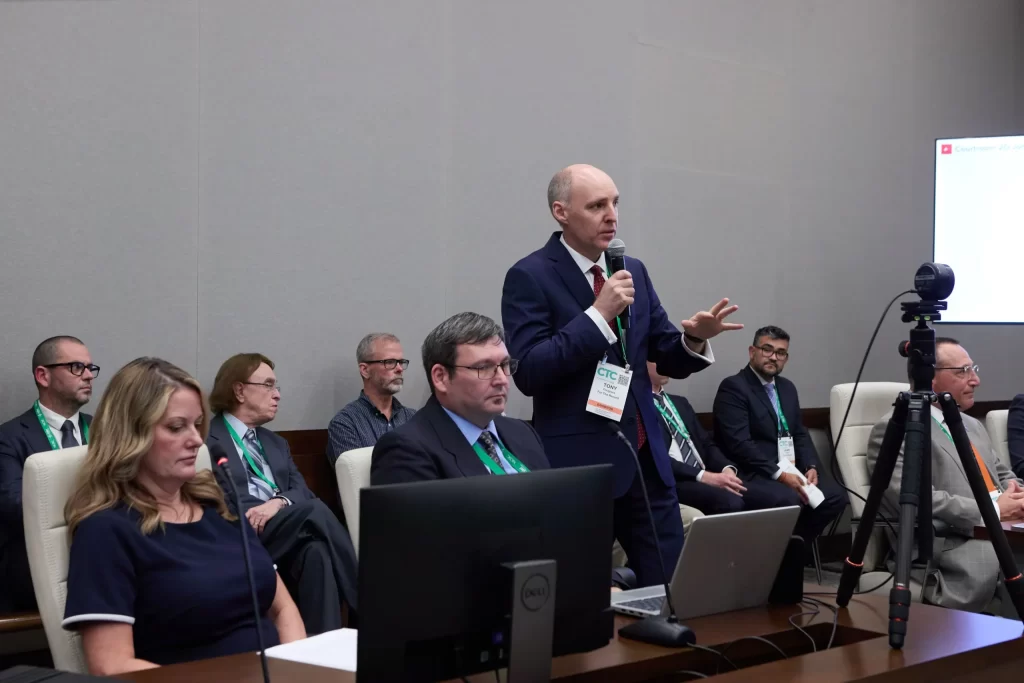
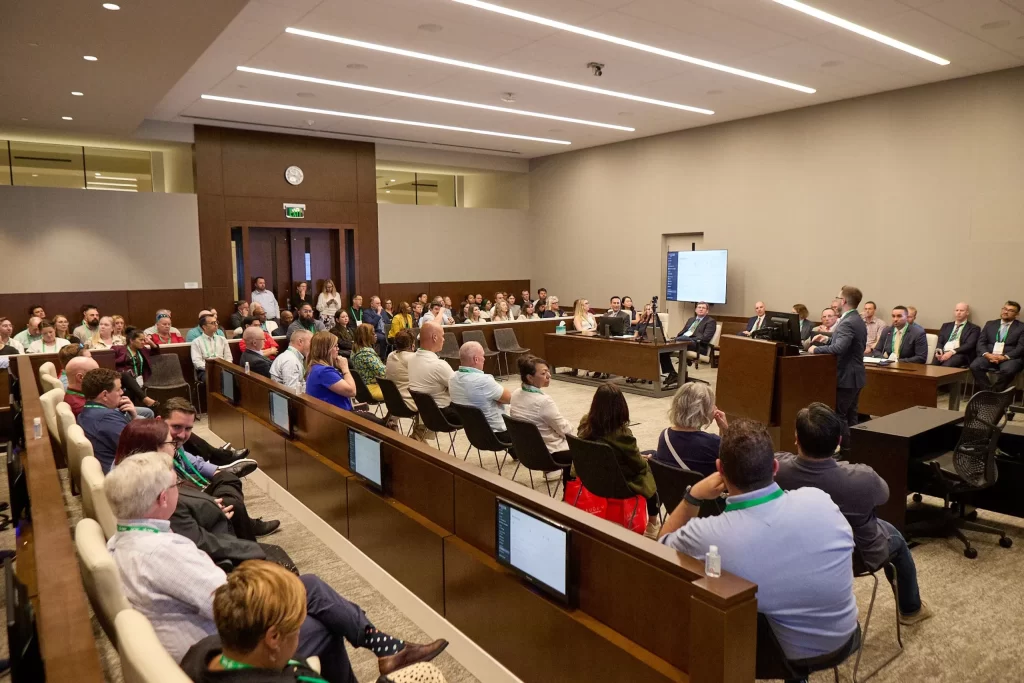
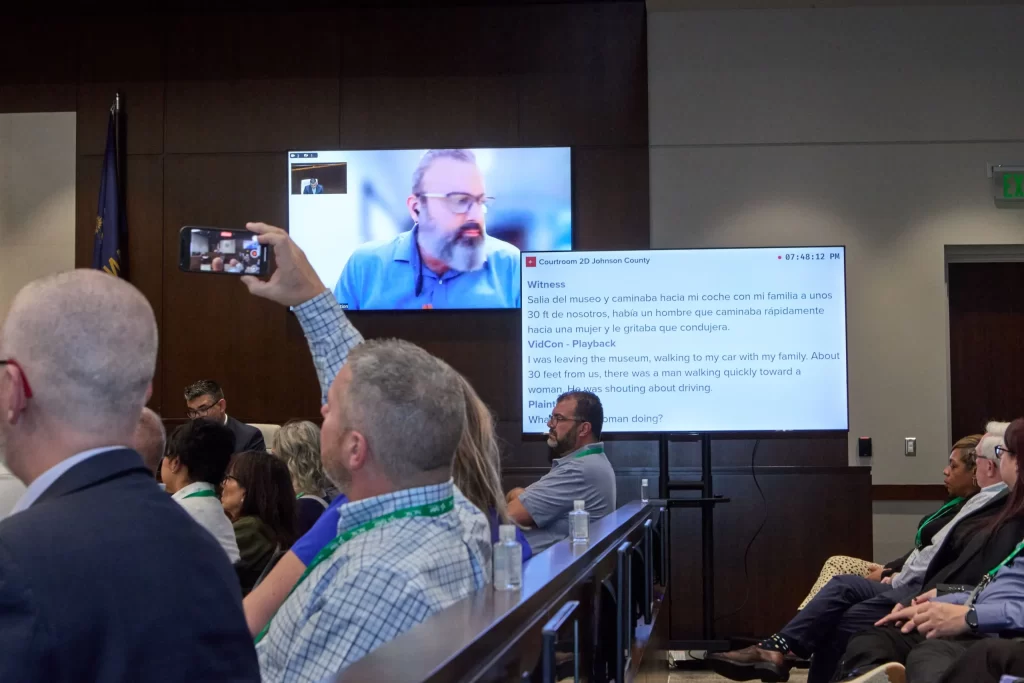
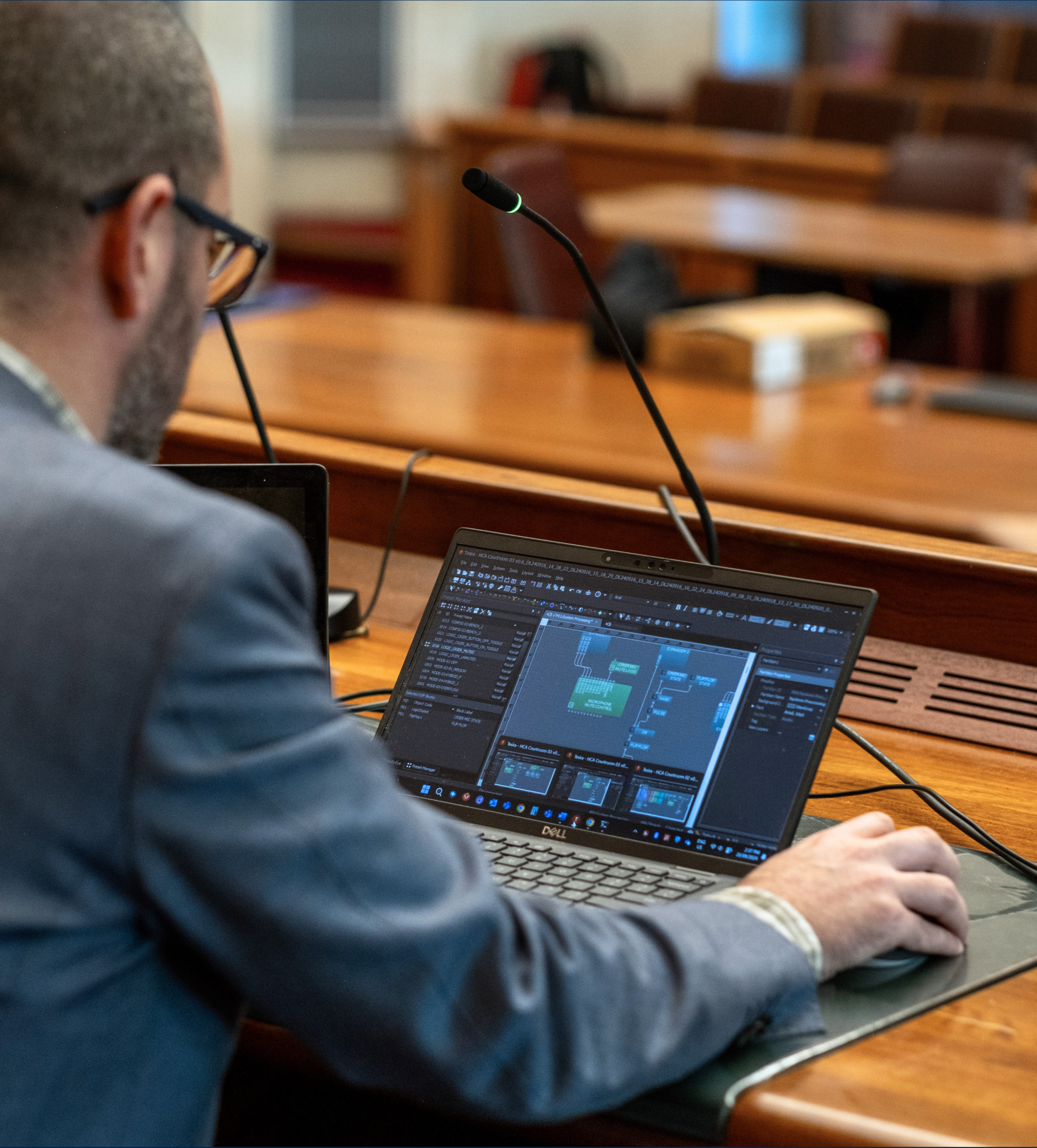
One highlight of the week was For The Record’s exclusive, after-hours Technology Showcase and Reception, hosted in collaboration with the Kansas 10th Judicial District. Attendees experienced a mock trial inside a working courtroom, seeing first-hand how our solutions are already transforming proceedings. Witnessing technology in action within an authentic setting provided valuable context for how our tools fit seamlessly into existing courtroom ecosystems.
Guests also enjoyed a guided tour of the impressive courthouse, offering a closer look at how modern design and advanced technology are coming together to support the next generation of justice.
From what was shared and discussed, here are some key takeaways for court leaders, vendors, and everyone invested in justice technology:
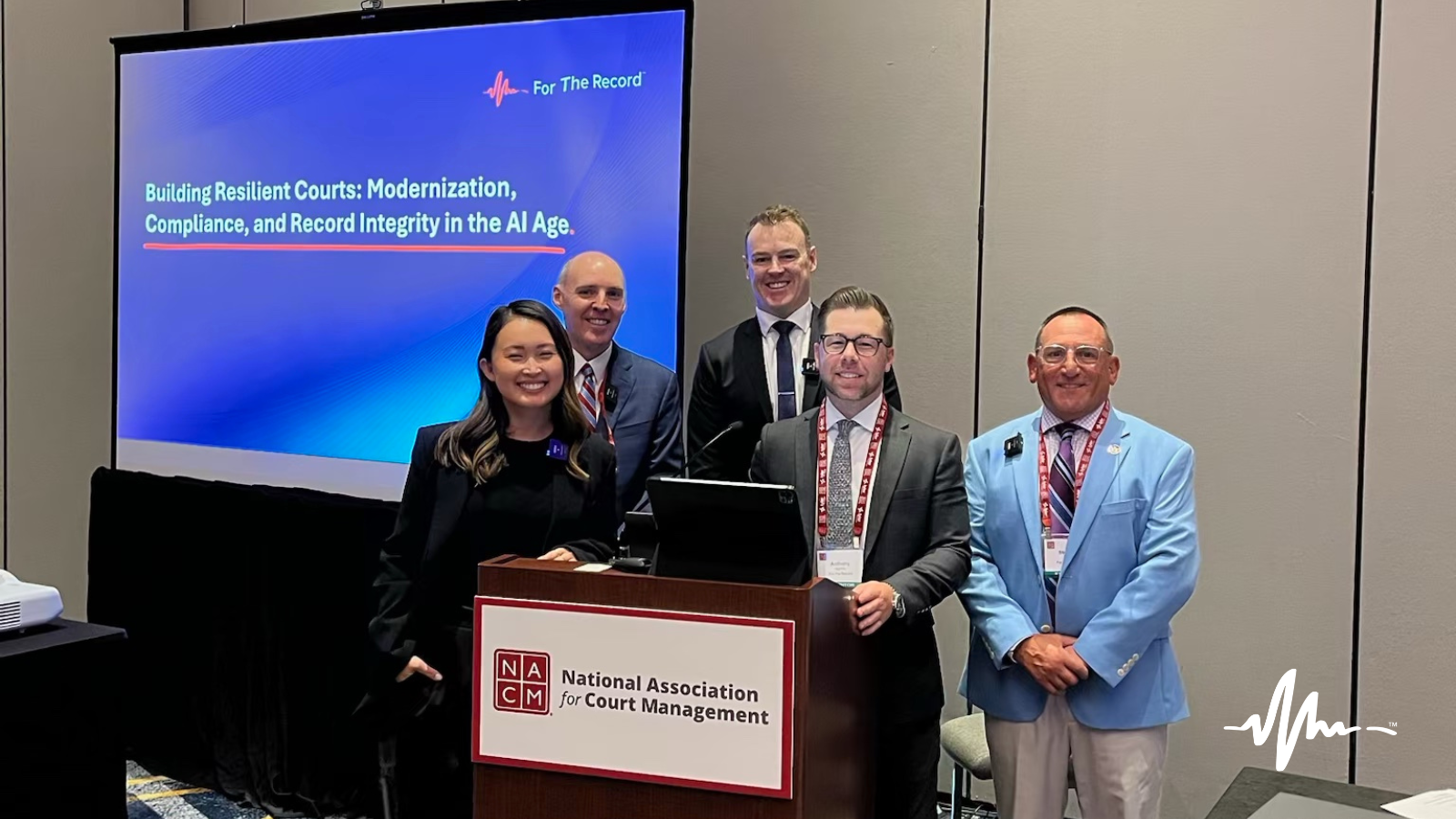
For The Record was proud to be part of these conversations, showing how FTR Justice Cloud and FTR RealTime align with these priorities: making court proceedings more accessible, secure, and efficient—without compromising the human judgment that defines justice.
Thank you to everyone who joined us at this year’s Court Technology Conference. We leave inspired and energized, ready to continue partnering with courts to build a future where technology empowers people and strengthens trust in justice.